
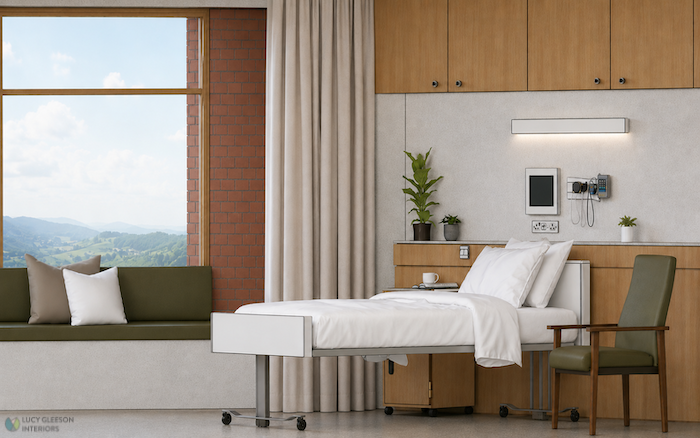
Photorealistic concept visual by Lucy Gleeson Interiors
Hospitals are not usually calming places due to their busy nature.
They are often bright, clinical, and functional spaces that can be overwhelming. In an ideal world they would be much more restful.
Recently, I’ve spent more time visiting loved ones in hospitals and one thing has really become clear about these buildings – there is very little connection to nature in most healthcare spaces.
Few to no plants and natural materials and unnatural air flows,
and little attention to how the space actually feels to be in. In fact, you are lucky if you even have a decent view out the window, if at all.
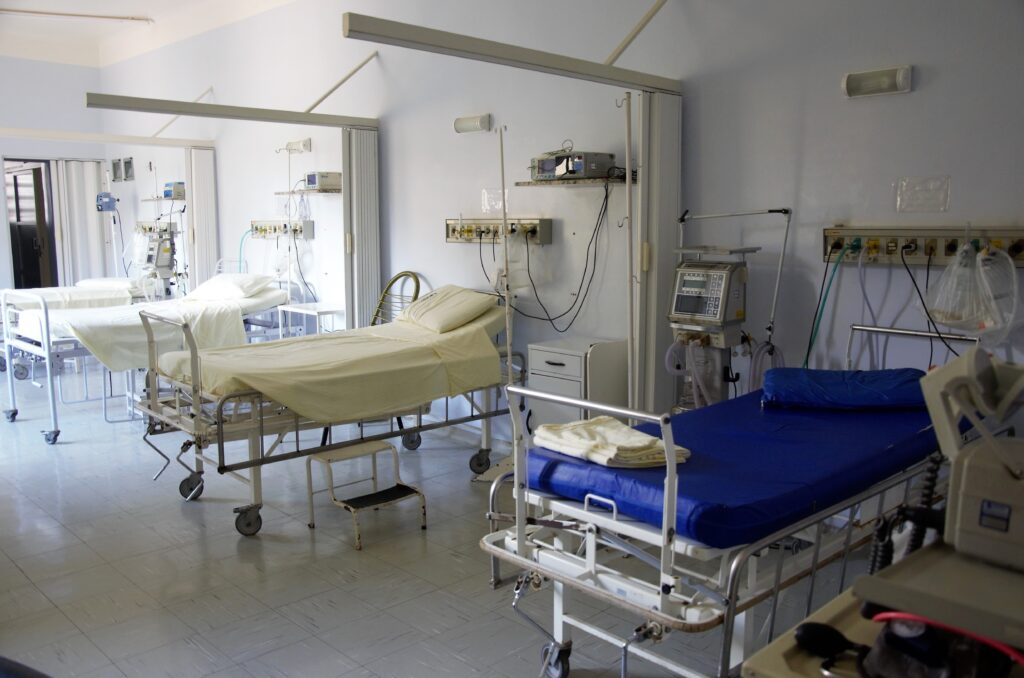
An example of a hospital ward is here above. Once you notice these things, it becomes apparent on many levels and because of this, I can’t help but to rethink hospital design environments. Not just how they work functionally which is obviously paramount, but how they feel for vulnerable patients. With all the long hours and focus that staff put in, it seems really important that they benefit too.
I have spotted a few wall leafy stickers in departments and wards with greenery attempts which is most welcome but I am sure we can do better.
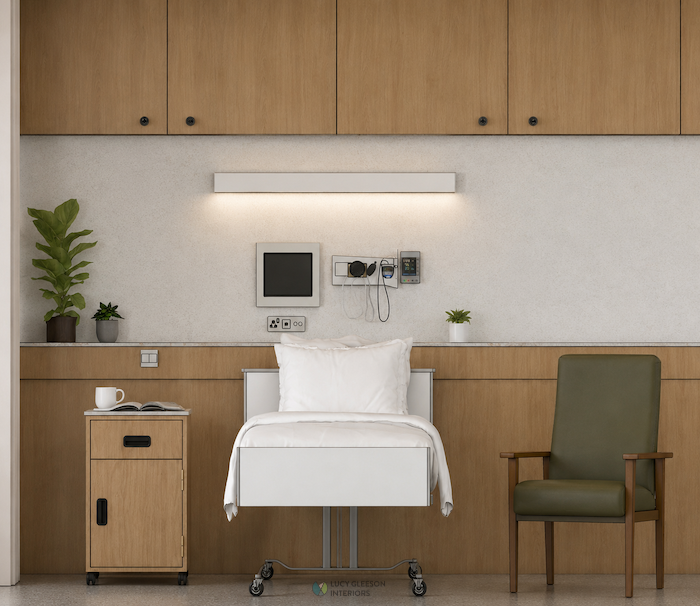
Photorealistic concept visual by Lucy Gleeson Interiors
The approach I’d love to see more of is biophilic design. Which as you may know is connecting with nature – bringing the outside in, in various forms.
When designing homes, I love to connect the client with nature where it feels right to do so. But in my opinion it is equally important in hospitals. Maybe more so. I also feel that staff would benefit, not just the patients, from this style of design.
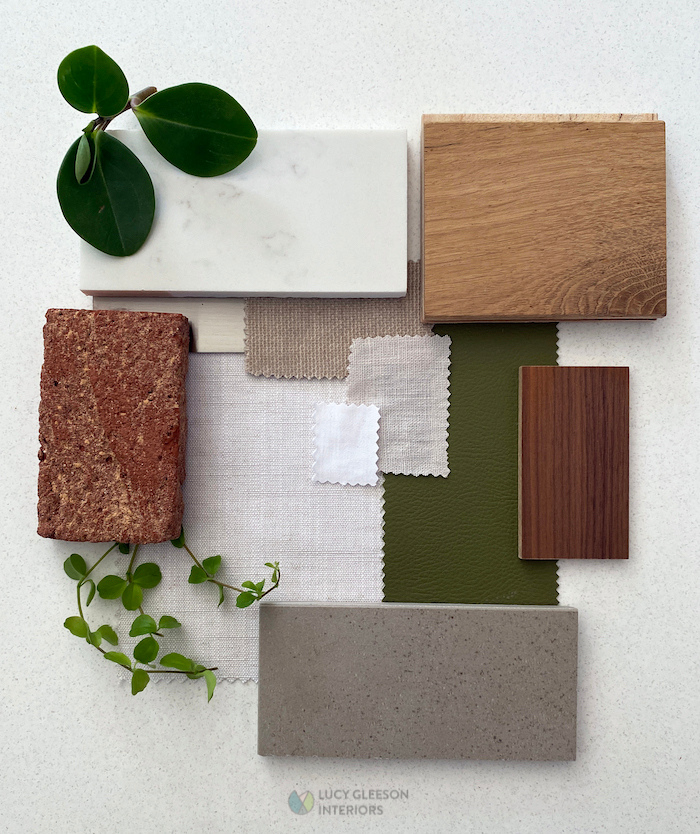
Biophilic design includes natural light, plants, natural materials, and outdoor access. It also uses softer and more natural colours.
Traditional hospitals often use stark white, the famous blue hue and greys.
These can feel cold psychologically and clinical, you could technically say these are biophilic, as we find greys in stone, blue skies and white light but but do they have the impact mentally and emotionally that natural greens, earthy tones, and softer blues create ? I find though, they can be wonderful at adding to an overall design in the right place.
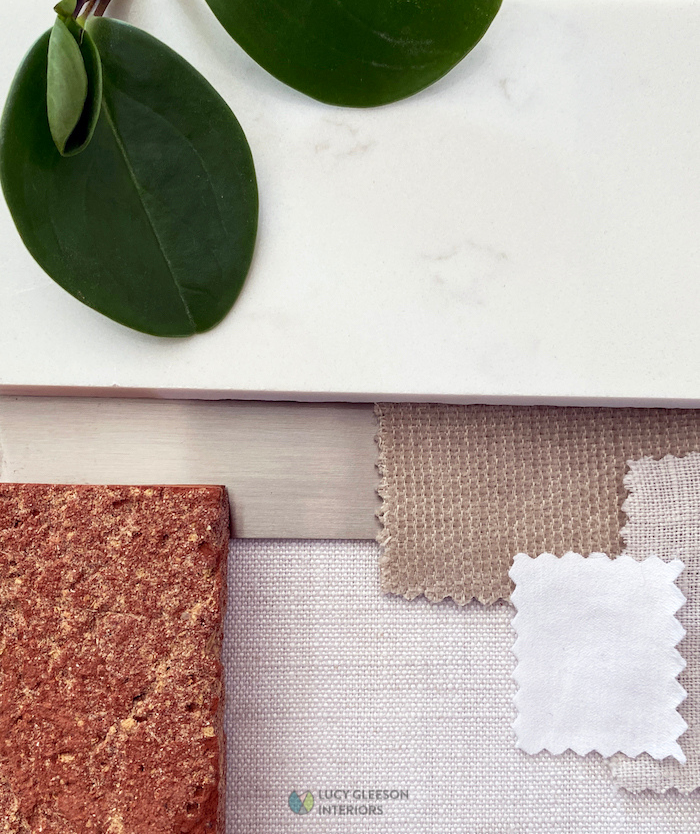
The effects of biophilia can be immediate. Spaces feel calmer and more comforting.There is also research to support this which I think is important to share here.
A well-known study by Roger Ulrich in 1984 looked at hospital patients after their surgery. Some had trees in their vision, while others had a view of a brick wall.
The results were clear – patients with nature views recovered faster, they needed less pain medication and they had fewer negative notes from the nurses.
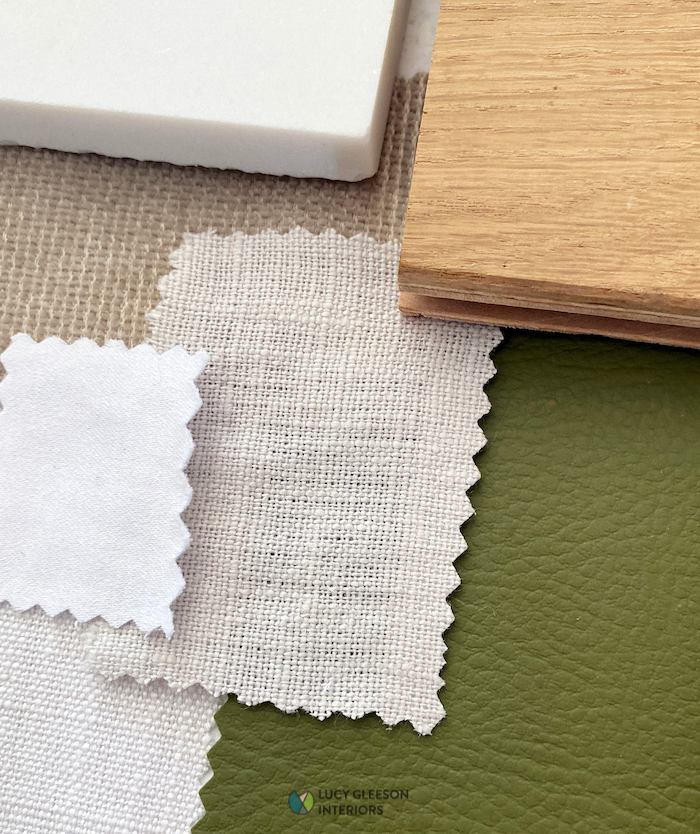
More recent studies show similar findings.
Natural environments really can reduce stress and improve sleep. Even small indoor changes can help which, given that the NHS is struggling financially anyway, maybe this is the way to go, for now.
In another study added a green wall to a clinical space.
Researchers found lower stress levels and lower heart rates. This colour is also used in operating theatres while also surgeons wear green scrubs. This is to reduce eye strain when working with red tones for long periods. Green is also linked with calm and focus.
Certain plants are known to improve air quality but they can soften a space too and are wonderful for soaking up noise, which could be very beneficial. Of course, in realistic terms these are added extras that need to be cared for, but their impact can be psychologically so beneficial to initiate calm in a heightened environment.
These small changes still matter – better lighting, kinder colours. More thoughtful waiting areas.
These can all improve how a space feels which can create the ripple effect. There seems a gap between well – being research and real hospital design. Surely the two are connected ? Given how much time some people need spend in hospitals, that gap is important and needs re – thinking.
There is also the fact that some biophilic elements are not only more eco – friendly, but also naturally anti bacterial and in some cases organic materials are even safer for patients. All food for thought.
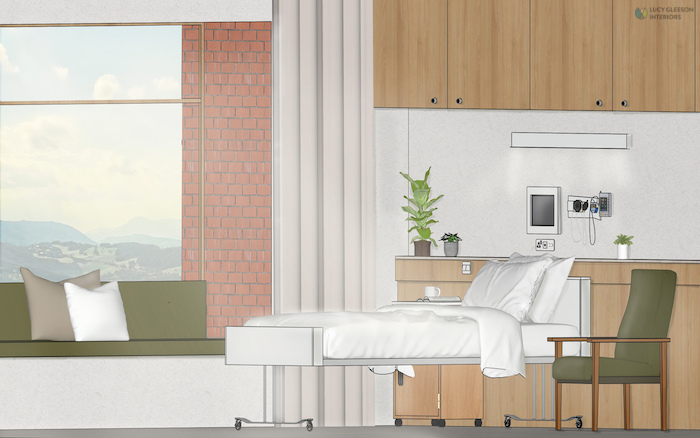
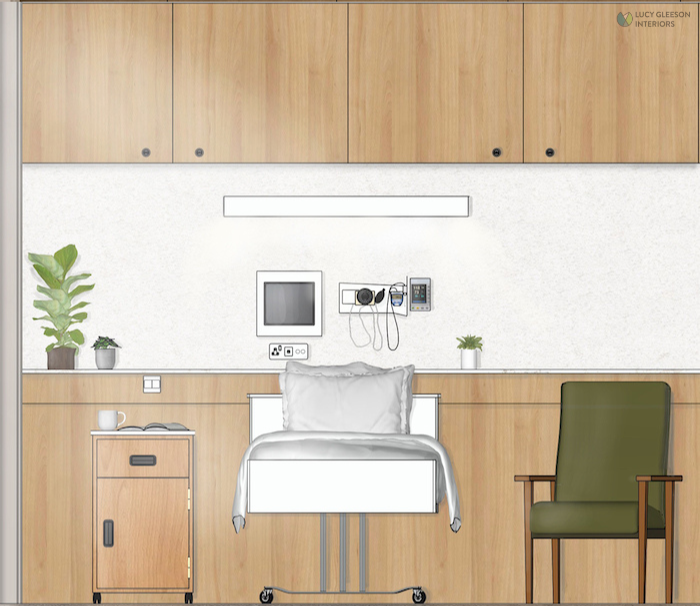
Development design renders by Lucy Gleeson Interiors
Above are some development renders I created before the concept visual.
If you would like to know more about my interior design services – please have a look here. You can also see regular updates on my Instagram page. I look forward to hearing from you.



0 Comments